
Fish Production Market in Malaysia
A Rising Question at the Market
Have you ever stood at the seafood counter, wondering why fish prices seem to climb year after year—even though fish remains one of the most nutritious and culturally significant proteins in Malaysia? Behind that simple question lies a complex and rapidly evolving industry.Malaysia’s Fish Industry at a Turning Point
Malaysia’s fish production market is undergoing rapid transformation, shaped by rising consumer demand, technological advancements, and an increasing national commitment to sustainability. As Malaysia positions itself as a regional leader in aquaculture, the sector continues to evolve through modern farming practices, stronger export capabilities, and the growing adoption of digital technologies. For businesses, farmers, and policymakers, understanding these shifts is essential to navigating an industry that is both highly competitive and filled with opportunity.
A Complex and Interconnected Production Ecosystem
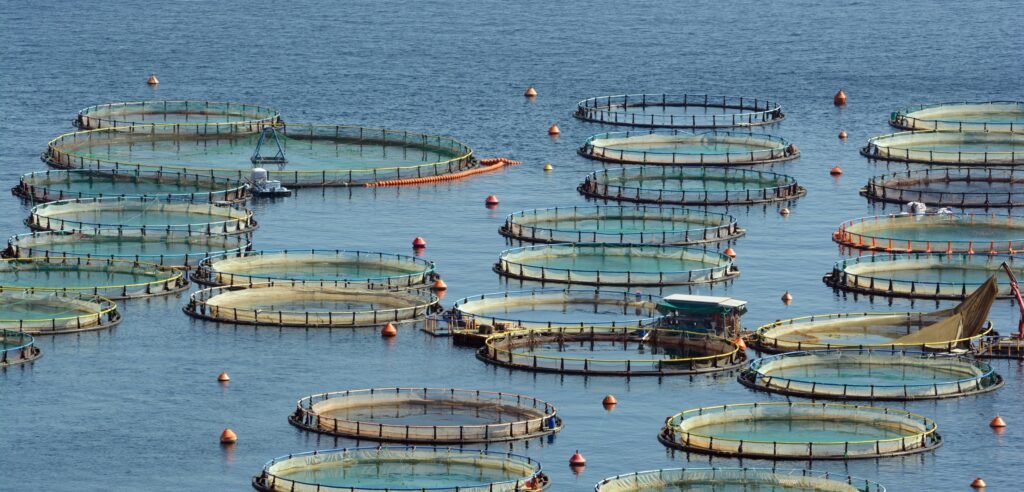
Today, Malaysia stands among Southeast Asia’s major seafood producers, supported by a diverse production ecosystem that includes marine and inland capture fisheries, freshwater and marine aquaculture farms, hatcheries, nurseries, and an extensive processing and distribution network. This interconnected value chain allows the nation to meet strong domestic demand while also expanding its footprint in regional export markets. The role of aquaculture has become increasingly prominent as environmental pressures reduce the reliability of wild-caught fisheries, prompting producers to find sustainable and efficient ways to achieve consistent yields.
A number of key developments define the current landscape. Below are some of the most influential shifts currently shaping Malaysia’s fish production industry:
- Key Market Drivers at a Glance:
- Growing domestic and export demand for aquaculture products
- Rising preference for traceable and sustainably farmed fish
- Government-backed modernisation and digital transformation initiatives
- Advancements in hatchery research and species resilience
- Strong export potential to regional markets such as Singapore, China, and the Middle East
Expanding Demand and Changing Consumer Expectations
One of the most notable is the expanding demand for aquaculture products. Species such as tilapia, catfish, seabass, grouper, patin, and various shrimp varieties continue to dominate production due to their high market value and strong consumer preference. As buyers become more discerning, demand increasingly favours fish farmed through responsible and traceable methods. This has led to a nationwide shift toward farming practices that prioritise environmental stewardship, antibiotic-free production, and end-to-end traceability—factors that influence purchasing decisions across retail, foodservice, and wholesale sectors.
Government Modernisation and the Digitalisation Wave
Another influential driver is the Malaysian government’s push toward industry modernisation. Through national aquaculture development initiatives, investment incentives, and research efforts focused on disease-resistant species and efficient feed solutions, the government is strengthening the sector’s long-term resilience. Digitalisation has emerged as a central theme, with farms adopting IoT monitoring systems, automated feeding solutions, and data-driven management tools. These innovations are improving water quality control, reducing feed waste, and increasing survival rates—key components in maintaining profitability.
Despite its positive trajectory, the industry is not without challenges. These obstacles continue to influence production strategies and long-term planning:
Major Challenges Facing Producers Today:
- Increasing operational costs, particularly feed and labour
- Water quality instability due to climate and environmental factors
- Disease outbreaks impacting survival rates
- Limited access to high-quality and consistent fingerlings
- Volatile fish market prices affecting margins
Challenges That Shape Daily Operations
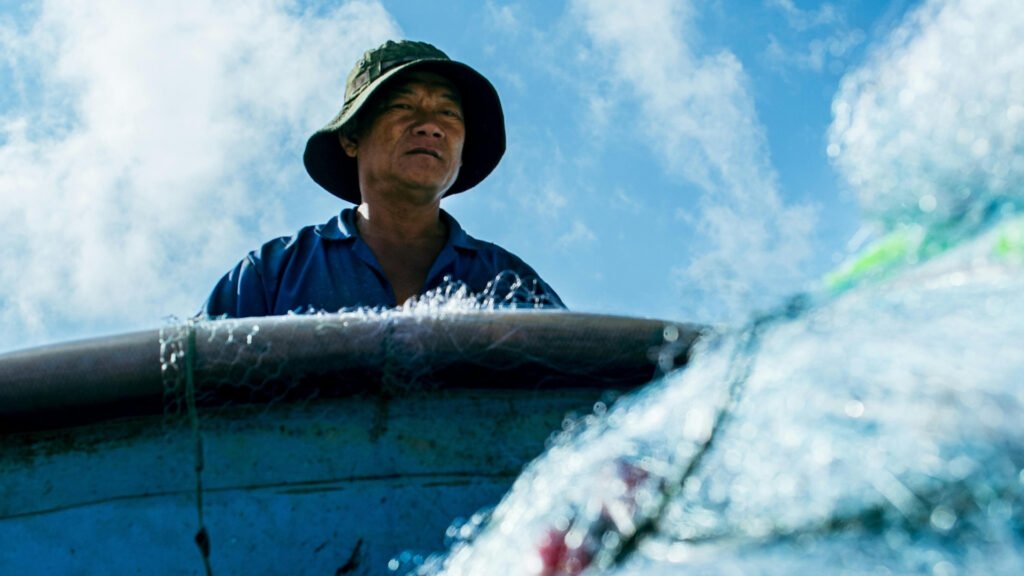
Producers continue to navigate rising operational costs, unpredictable market prices, fish disease outbreaks, and ongoing issues related to water quality. Many smaller farms struggle with access to consistently high-quality fingerlings, making production planning more difficult. These challenges underscore the need for innovation, particularly through technologies that help farms operate more efficiently and reduce operational risks.
Looking ahead, Malaysia’s fish production sector is expected to grow more sophisticated and more competitive. Several transformative trends are likely to define the next decade:
Future Trends Shaping the Industry:
- Increased adoption of automation and smart farming tools
- AI-driven monitoring systems for real-time farm management
- Expansion of premium, certified, and export-ready fish products
- Development of advanced hatchery technologies
- Greater focus on sustainability and resource-efficient farming

A Glimpse Into the Future of Malaysian Aquaculture
Automation, AI-driven monitoring, advanced hatchery systems, and higher export certification standards are set to define the next decade. As global markets increasingly prioritise quality, sustainability, and transparency, Malaysian producers who invest early in modernisation will gain a significant advantage. The industry is on track to transition from traditional farming practices to a data-enriched ecosystem that prioritises productivity and environmental responsibility.
For aquaculture businesses, understanding these shifts is not just beneficial—it is essential. The emerging landscape favours producers and distributors who embrace innovation, sustainability, and digital solutions. As a digital-first aquaculture partner, Aqufish supports this vision by equipping farms with intelligent monitoring systems, data analytics, and streamlined resource management tools. These solutions help businesses make informed decisions, operate more efficiently, and scale production sustainably.
As Malaysia continues its journey toward becoming an aquaculture powerhouse, companies that align with this modern vision will be better positioned to thrive. Aqufish remains committed to supporting the sector’s growth by empowering farmers with tools designed for long-term success.
Stay tuned for more insights, market analyses, and aquaculture innovations at Aqufish.com.