
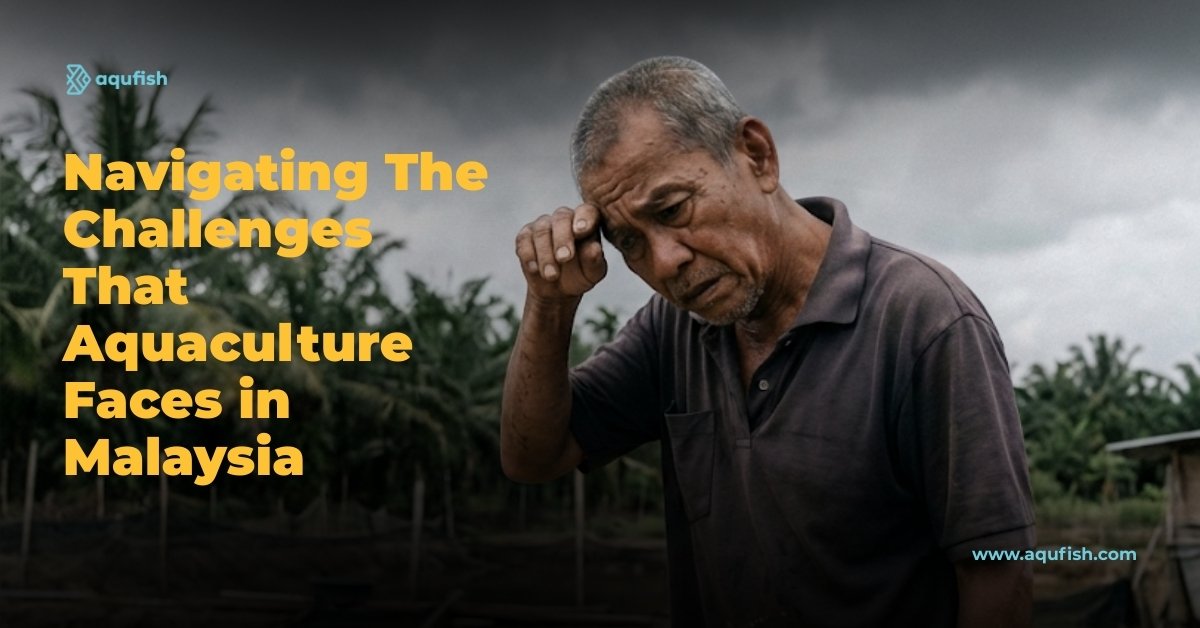
The Question Every Farmer Has Been Asking
If you’ve been raising fish for years—or even generations—you’ve probably noticed something strange: the cost of farming keeps going up, but profit margins don’t always follow. Meanwhile, consumers are also complaining that fish prices are rising. So where is the real pressure coming from?
For smallholder farmers, the answer lies in understanding how Malaysia’s fish production market is shifting—and what these changes mean for your daily operations, your income, and your future in the industry.
Let us discover the challenges that aquaculture faces in Malaysia through this article.
The Industry Is Changing Faster Than Before
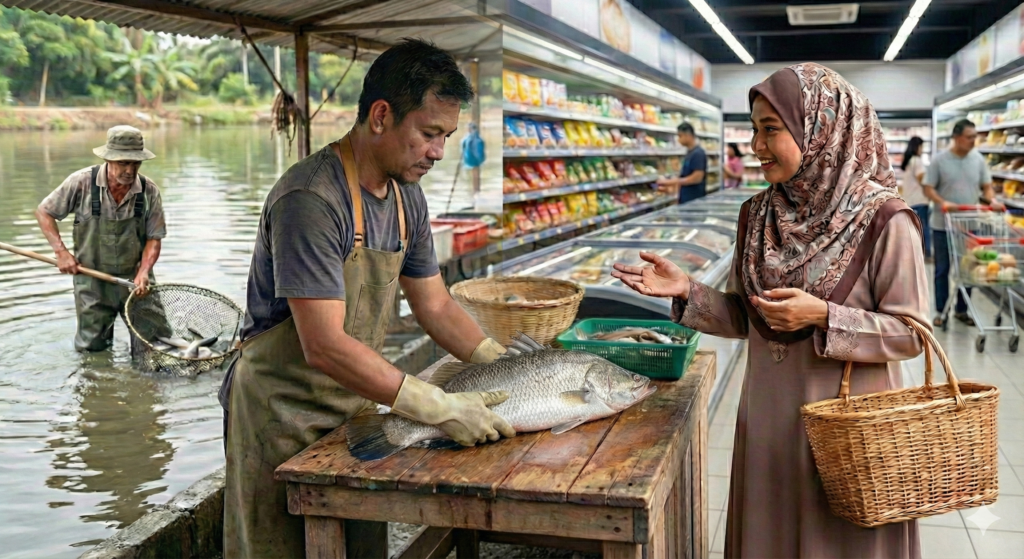
Malaysia’s fish production landscape is moving through a major transformation. Demand for seafood is strong, both locally and internationally, but so are expectations for quality, sustainability, and traceability. While large commercial farms may find it easier to meet these standards, smallholder farmers often feel the weight of these changes more directly.
But there is also opportunity—especially for those ready to adapt.
How These Changes Affect Small Farmers
Malaysia’s fish supply chain is evolving into a more connected ecosystem. Hatcheries, nurseries, grow-out farms, feed suppliers, and distributors all depend on one another. For smallholders, this means:
- Better market access if you can meet quality standards consistently.
- More pressure to keep production costs under control.
- A need for reliable fingerlings and feed, both of which are becoming more expensive.
- Rising expectations for healthier, traceable, and sustainably farmed fish.
Many farmers are already feeling these pressures—but understanding them is the first step to turning challenges into advantages.
What Consumers Want Is Changing
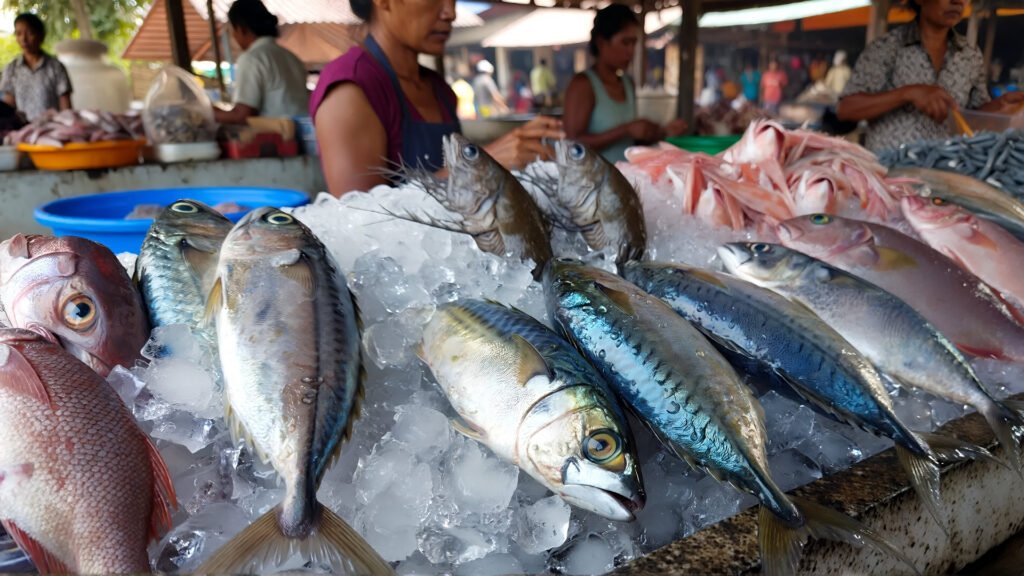
Today’s buyers—restaurants, supermarkets, wholesalers—are looking for:
- Fish raised without antibiotics
- Clean and traceable farming practices
- Consistent size and quality
- Responsibly managed water and waste systems
This shift affects smallholders most because the traditional way of farming no longer guarantees stable income. Farmers who can meet these new expectations are able to charge better prices, secure contracts with buyers, and reduce losses.
Rising Costs & Daily Challenges
Smallholder farmers know these challenges all too well:
- The price of feed keeps going up
- Water quality changes more frequently due to weather
- Disease outbreaks can wipe out months of effort
- Fingerlings can be inconsistent or unreliable
- Market prices fluctuate week to week
These are not small problems-they directly affect survival rates, cash flow, and long-term business stability.
What The Future Holds for Small Farmers?
Smallholder farmers know these challenges all too well:
- The price of feed keeps going up
- Water quality changes more frequently due to weather
- Disease outbreaks can wipe out months of effort
- Fingerlings can be inconsistent or unreliable
- Market prices fluctuate week to week
These are not small problems-they directly affect survival rates, cash flow, and long-term business stability.
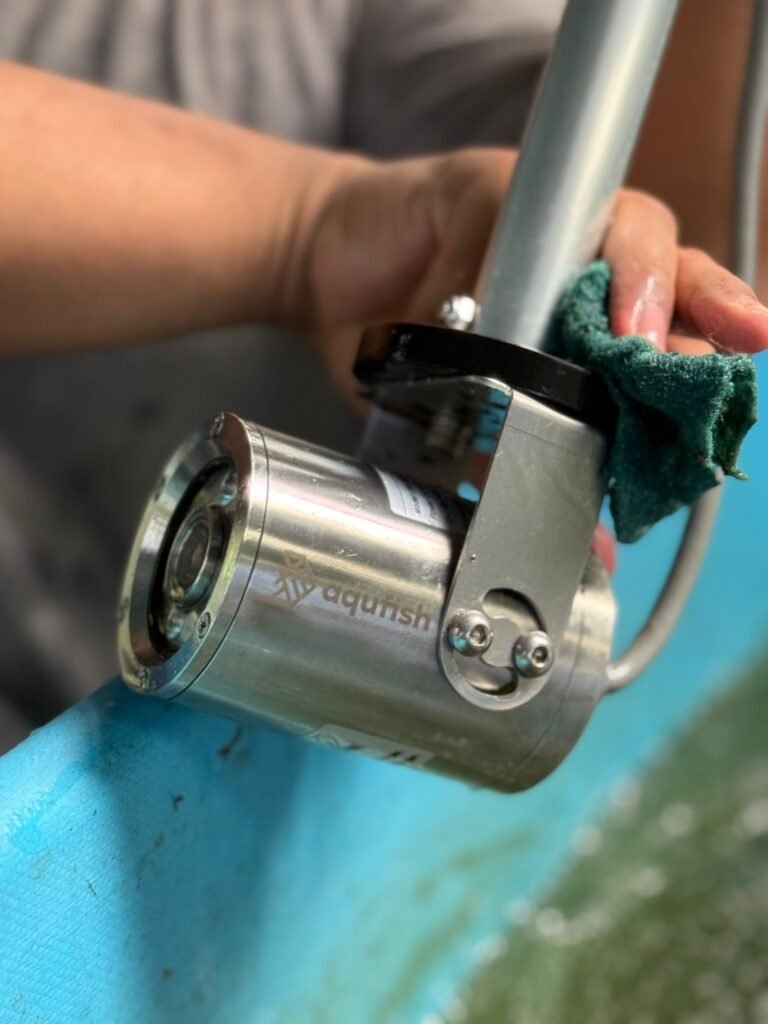
How AquFish Supports Smallholder Farmers
- Monitor water quality in real time
- Track feed usage and reduce waste
- Identify early signs of stress or disease
- Keep a digital record of farm performance to meet buyer requirements
These tools make it possible for small farms to run more efficiently, improve yield, and maintain fish quality without needing a large team or complicated equipment.
The Bottom Line
Malaysia’s fish production market is changing—but smallholder farmers who adopt smarter, more sustainable practices will not only survive these shifts, but thrive in them.
Fish farming has always been built on hard work and experience. Today, pairing that experience with digital insight is the key to staying competitive.
Your farm has more potential than ever before. With the right tools, the future of smallholder aquaculture looks brighter than many realise.
Comments are closed